I started building things before I really knew how to code. In my first year at the Faculty of Organizational Sciences in Belgrade I was doing delivery shifts to pay the bills, and one day a professor brought a guest to class, a student who had built and launched her own startup. Something clicked. I started putting aside whatever I could from deliveries and paid freelance developers to build Playerty, a marketplace connecting football players with clubs.
Soon after, I wanted to really understand the thing I was paying for, so I quit the delivery job, sat down with the basics of C, and started learning to code from scratch. I got Playerty to its first real users. Around then I had moved out on my own and needed steady income, and a programming mentor offered me a role directly at Quiddita.
At Quiddita I grew fast. Within a few months a colleague and I were leading a national traffic-management project for the Serbian government, building the .NET backend and Angular frontend from the ground up. It was there that I came across code generators for the first time, and I kept thinking about how much repetitive work they could take off our hands. That idea became Spiderly.
I built Spiderly in parallel with my work at Quiddita for months before leaving to focus on it. I found early pilot users but could not find a partner to handle sales, so growth stayed slow. Around that time an offer came in from Cayus AI. The AI work was genuinely interesting and the timing was right, so I joined. The team was four people then. A year later we had grown past ten, raised funding, and had a SaaS product out selling.
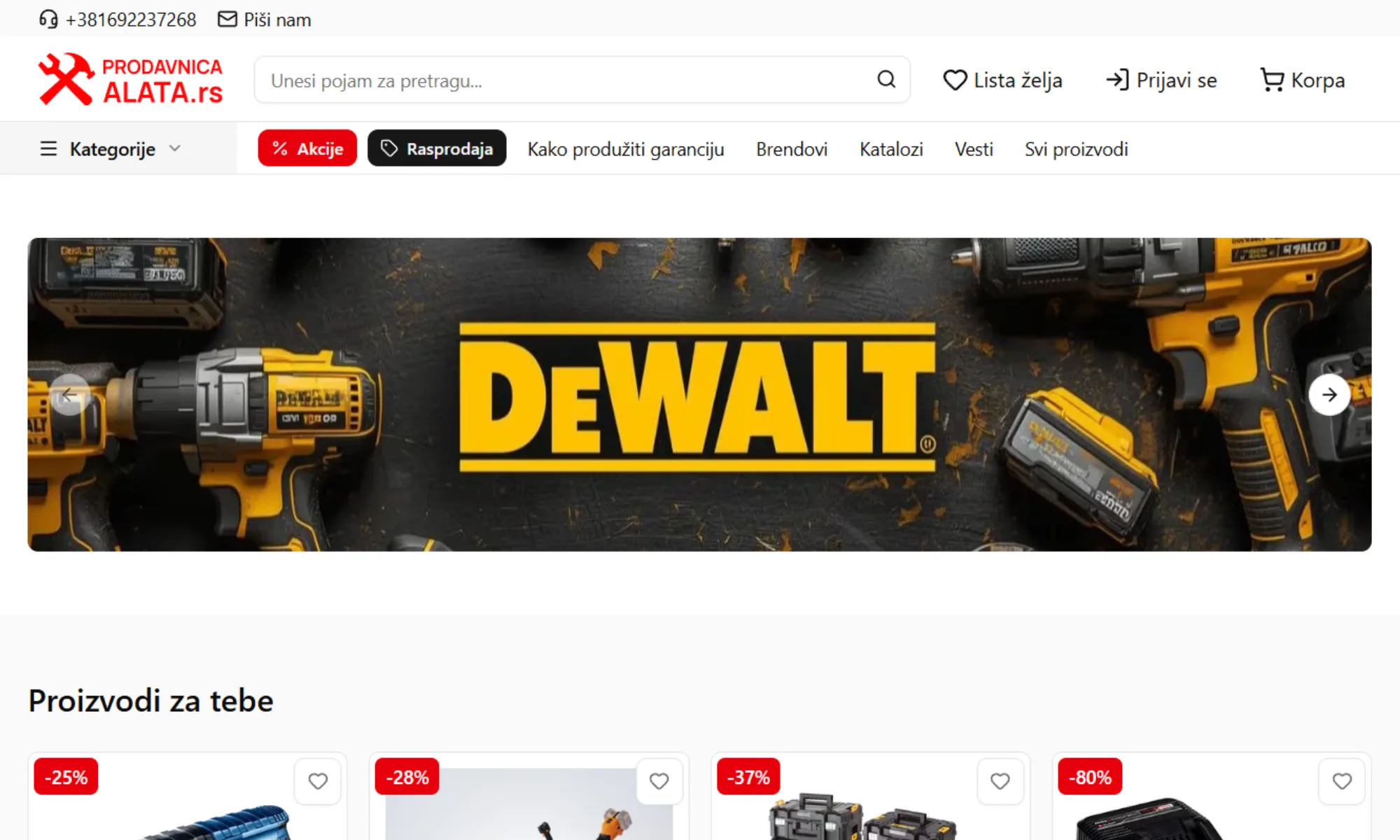
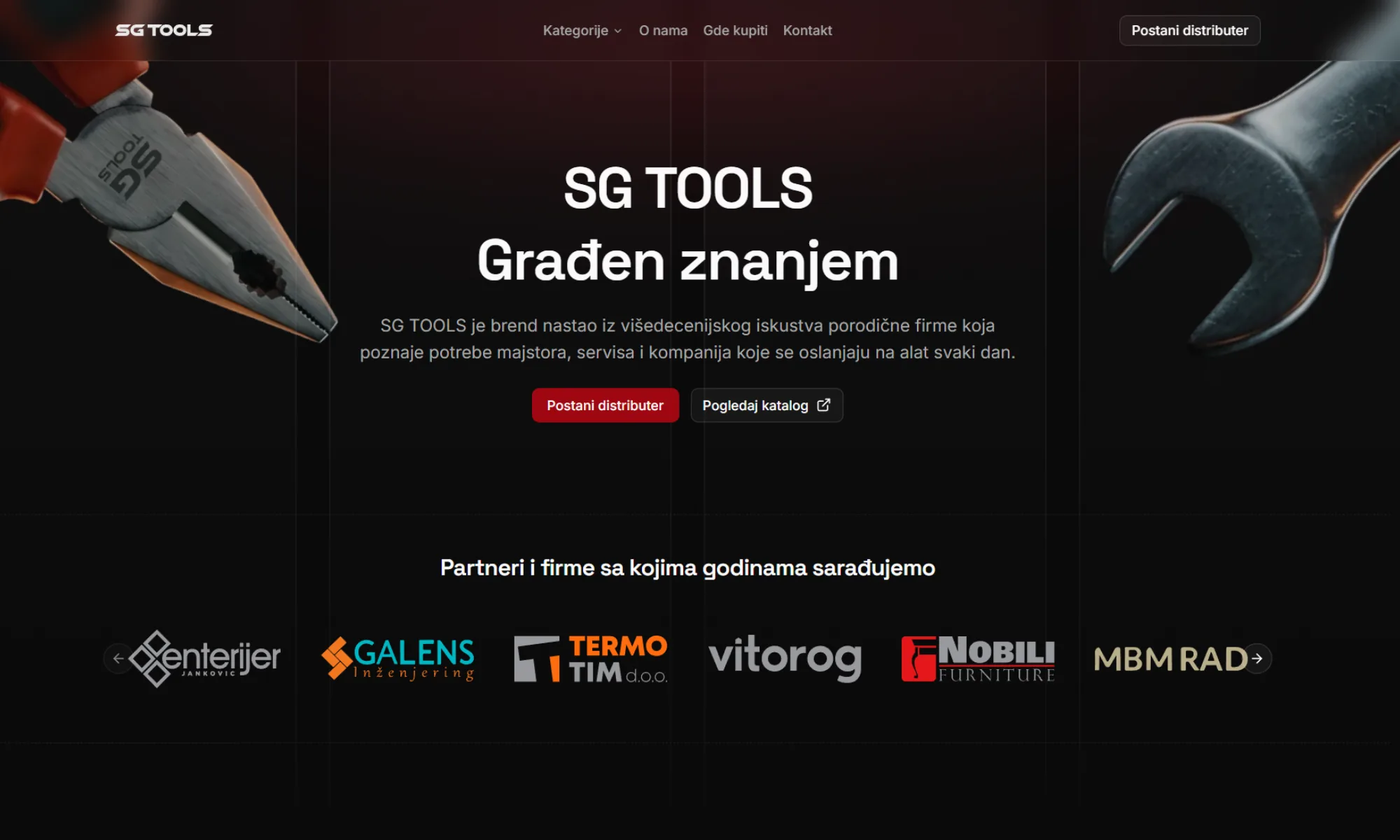
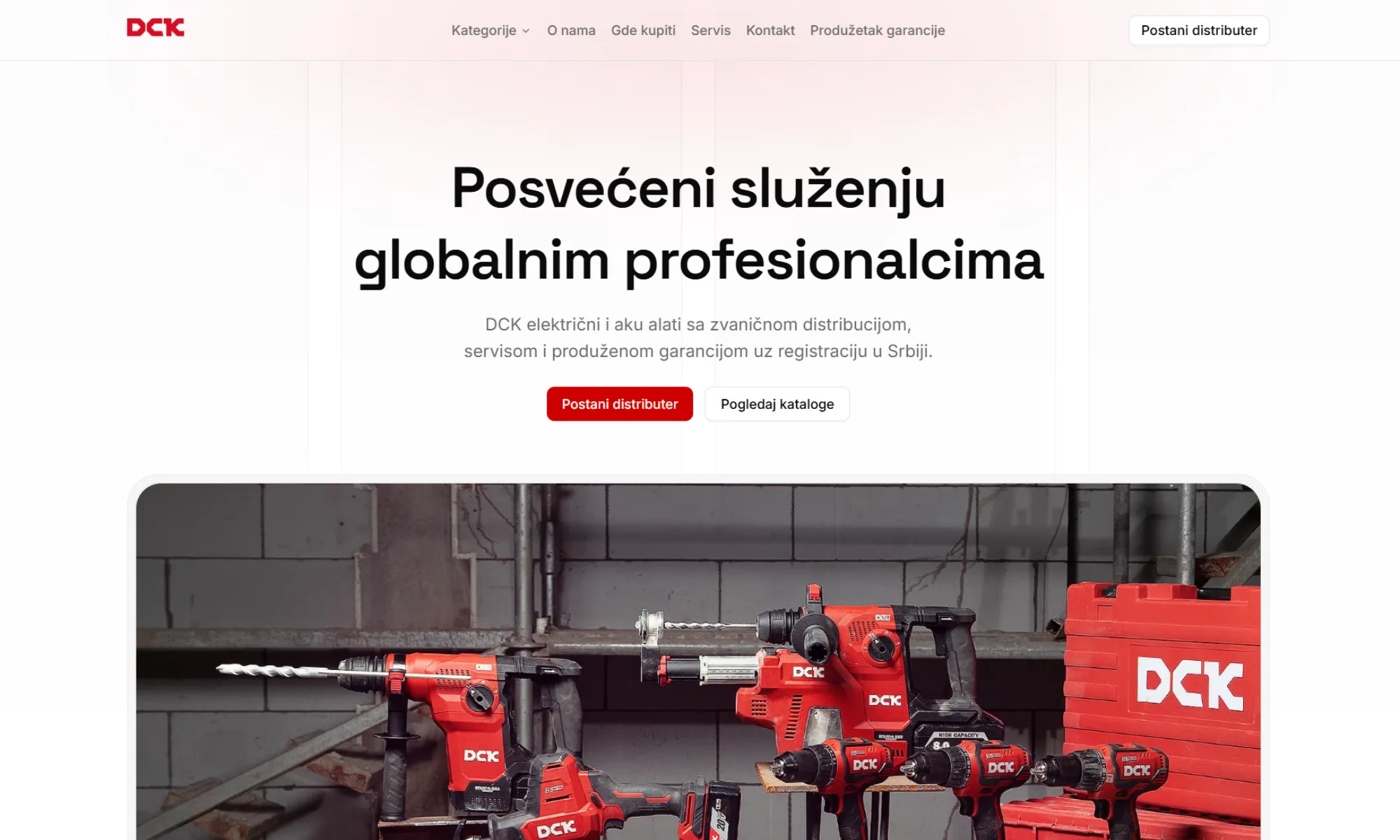
Alongside my full-time role at Cayus AI, I used Spiderly to build a production web app for my family's e-commerce business, a store with over 70,000 products and 200,000 monthly visitors, along with presentational sites for several tool brands like Stridon, SG Tools and DCK. In April 2026 I launched Helmio, a platform where founders hire and manage specialist AI agents through Telegram, with no code required.